
Chances are you don’t realize how many items you misplace every week could be found in seconds with the right tracker. You’ll see how these 2026 picks—ranging from cross-platform tags to native ecosystem trackers—cover Android, iOS, and smart hubs in a way that fits your routines. Curious about which setup matches your devices and budget? Keep going to uncover the best fit for your everyday peace of mind.
Key Points
- Air Tracker Tags 4-Pack with Case: Android-ready trackers with IP66, replaceable CR2032 battery, and encrypted, multi-device location sharing.
- HH-Tech Smart Tag for Apple iOS: Compact, durable tagging with Lost Mode, network-based alerts, and optional spare battery.
- Fabric Key Finder Locator Set: Four receivers, loud beeps up to 80 dB, replaceable batteries, and one-year warranty with lifetime support.
- Apple Find My Bluetooth Tracker: Long battery life, IP67 protection, Find My integration, Lost Mode, and NFC contact sharing.
- HH-Tech Bluetooth Smart Tag for Android Find Hub: Water-resistant, keyring, 12-month battery, and Find My network updates with secure share access.
| Air Tracker Tags 4-Pack with Case for Android Bluetooth Tracker | 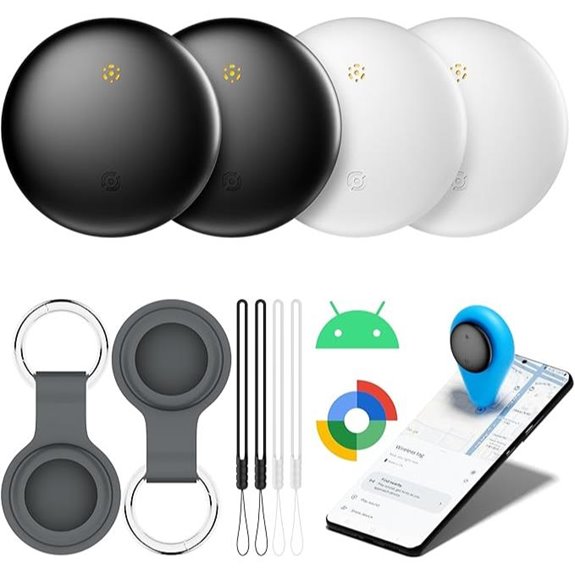 | Best Android Tracker | Type: Bluetooth tracker with case | Platform / Ecosystem: Google Find Hub (Android) | Power Source: Replaceable CR2032 | VIEW LATEST PRICE | Read Our Analysis |
| HH-Tech Smart Tag for Apple iOS Devices | 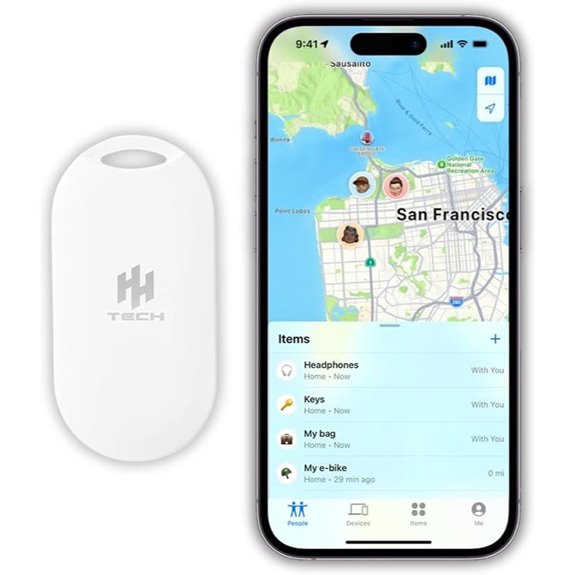 | Apple Find My Ready | Type: Smart tag for iOS | Platform / Ecosystem: Apple Find My (iOS) | Power Source: CR2032 battery (included) | VIEW LATEST PRICE | Read Our Analysis |
| Fabric Key Finder Locator Set with 4 Receivers | 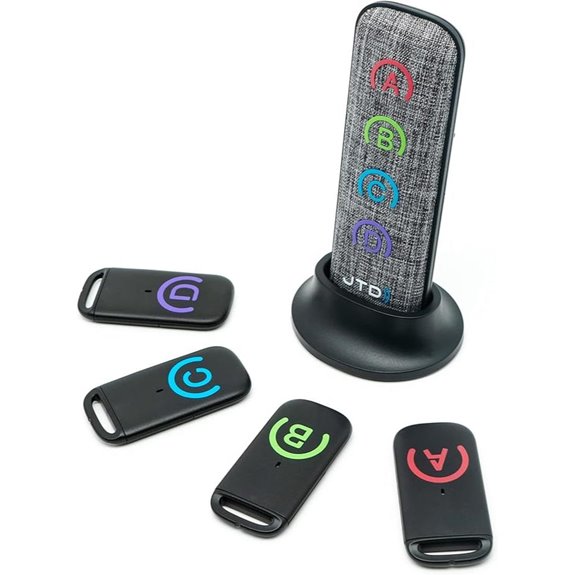 | RF Range Leader | Type: RF key finder with 4 receivers | Platform / Ecosystem: RF remote family (no ecosystem) | Power Source: Replaceable battery | VIEW LATEST PRICE | Read Our Analysis |
| Apple Find My Bluetooth Tracker for iPhone Wallet Keys | 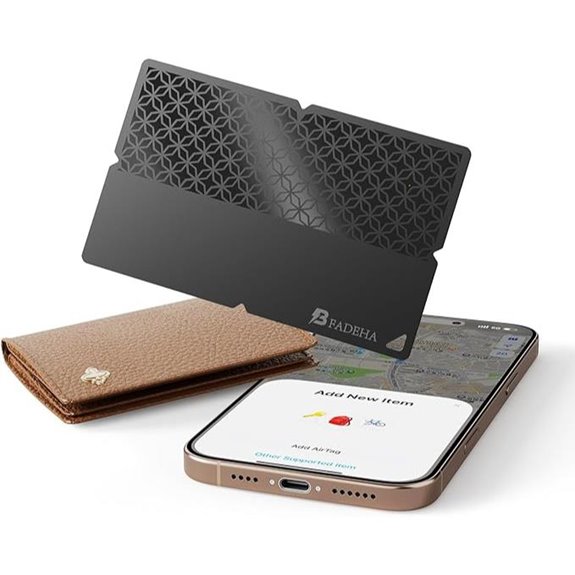 | iPhone Find My Ready | Type: iPhone Find My Bluetooth tracker | Platform / Ecosystem: Apple Find My (iOS) (Note: iOS ecosystem) | Power Source: Battery type (premium lithium battery; specifics not stated) | VIEW LATEST PRICE | Read Our Analysis |
| HH-Tech Bluetooth Smart Tag for Android Find Hub | 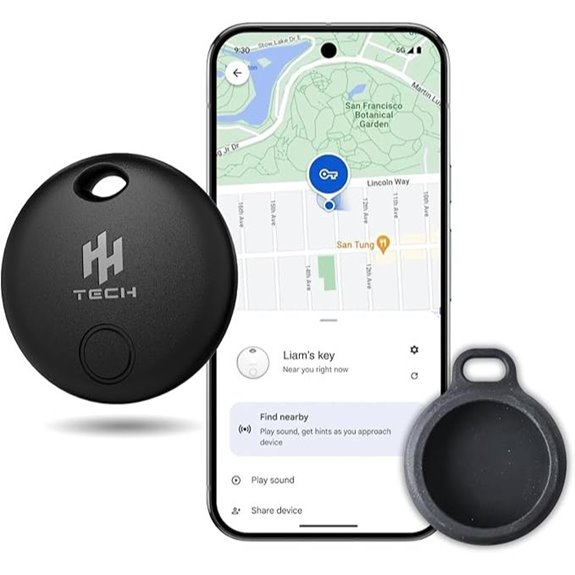 | Android-Only Network Utility | Type: Android Find My Device tag | Platform / Ecosystem: Google Find My Device (Android) | Power Source: CR2032 battery | VIEW LATEST PRICE | Read Our Analysis |
More Details on Our Top Picks
Air Tracker Tags 4-Pack with Case for Android Bluetooth Tracker
If you’re Android-first and need reliable item tracking, the Air Tracker Tags 4-Pack with Case is a top pick thanks to its Google Find Hub compatibility and up to 50 m Bluetooth range. You’ll locate keys or a wallet via Find My Device on Android 9+ and even use voice commands. The pack includes 2 white, 2 black units with a silicone case, IP66 waterproofing, and a replaceable CR2032 battery lasting up to 365 days. It supports location sharing with up to 10 devices, encrypted anonymity, and offline help from trusted friends, ensuring privacy while maintaining practical, constant tracking.
- Type:Bluetooth tracker with case
- Platform / Ecosystem:Google Find Hub (Android)
- Power Source:Replaceable CR2032
- Connectivity Method:Bluetooth
- Water/Dust Protection:IP66 waterproof
- Battery Life / Endurance:Up to 365 days
- Additional Feature:AR navigation fusion potential
- Additional Feature:Split-pack case option
- Additional Feature:Silicone waterproof case
HH-Tech Smart Tag for Apple iOS Devices
The HH-Tech Smart Tag for Apple iOS Devices stands out for iPhone users who want seamless Find My integration and property tracking. You attach this compact tag to keys, bags, or luggage and track it worldwide via the Find My app, with Siri help for quick whereabouts. It emits a 75dB alarm and uses Bluetooth when your phone’s BT is on. Features include Left Behind alerts, Lost Mode with network-based notifications, and easy sharing with family or friends. It runs on a CR2032 battery (up to 1 year) and includes a spare. Dimensions are small, weights light, and warranty support available.
- Type:Smart tag for iOS
- Platform / Ecosystem:Apple Find My (iOS)
- Power Source:CR2032 battery (included)
- Connectivity Method:Bluetooth
- Water/Dust Protection:Water-resistant (not specified as IP)
- Battery Life / Endurance:Up to 1 year
- Additional Feature:Left Behind Alert
- Additional Feature:Lost Mode automatic alerts
- Additional Feature:Spare battery included
Fabric Key Finder Locator Set with 4 Receivers
Discover a practical choice for households seeking reliable, pocket-friendly item tracking with four receivers. You’ll press the transmitter button, and the corresponding receiver beeps to locate your item. Attach receivers to keys, remotes, glasses, or other commonly misplaced items to simplify searches. Expect up to 131 feet of range, with RF signals penetrating walls and furniture for easier finds. The beeps reach up to 80 dB and last five seconds per press. It includes a built-in remote flashlight for dark spots, a grip-friendly salt-and-pepper fabric, replaceable batteries, and four receivers. Warranty offers one year with free lifetime support.
- Type:RF key finder with 4 receivers
- Platform / Ecosystem:RF remote family (no ecosystem)
- Power Source:Replaceable battery
- Connectivity Method:RF wireless
- Water/Dust Protection:Not specified as water/dust proof
- Battery Life / Endurance:Not specified (replaceable, no stated hours)
- Additional Feature:Four receivers included
- Additional Feature:Built-in remote flashlight
- Additional Feature:Replaceable battery
Apple Find My Bluetooth Tracker for iPhone Wallet Keys
For iPhone users who want seamless integration with their existing ecosystem, the 2026 Apple Find My Bluetooth Tracker shines with effortless pairing and instant alerts through the Find My app. You’ll locate your wallet or keys quickly by playing a sound or viewing the map when nearby, with an alarm up to 100 dB within Bluetooth range. Easy pairing happens by long-pressing to beep, then Add Item in Find My. Enjoy Lost Mode, instant alerts, and NFC contact sharing if it isn’t found. Built for durability, it features IP67 protection and long battery life.
- Type:iPhone Find My Bluetooth tracker
- Platform / Ecosystem:Apple Find My (iOS) (Note: iOS ecosystem)
- Power Source:Battery type (premium lithium battery; specifics not stated)
- Connectivity Method:Bluetooth
- Water/Dust Protection:IP67 waterproof and dust resistant
- Battery Life / Endurance:Long standby (5–10 years implied)
- Additional Feature:IP67 waterproof/dust resistant
- Additional Feature:Loud 100 dB alarm
- Additional Feature:Quick Find My pairing
HH-Tech Bluetooth Smart Tag for Android Find Hub
If you’re an Android user who relies on Google’s Find My Device network, the HH-Tech Bluetooth Smart Tag is your best pick for 2026. This Android-only tag works with Google Find My Device, Google Play Services, and one-tap Fast Pair. Attach it to keys, backpacks, or luggage using the built-in keyring hole, with a water-resistant protector for spills and rain. It updates location on a map via the Find My network, even when Bluetooth is out of range, with no fees. Hear a 75dB alert, share access securely, and rely on a 12-month replaceable CR2032 battery. Warranty support included.
- Type:Android Find My Device tag
- Platform / Ecosystem:Google Find My Device (Android)
- Power Source:CR2032 battery
- Connectivity Method:Bluetooth
- Water/Dust Protection:Water-resistant protector
- Battery Life / Endurance:12-month battery life (CR2032)
- Additional Feature:75dB loud sound
- Additional Feature:One-year CR2032 battery
- Additional Feature:Secure sharing with encryption
Factors to Consider When Choosing Tech for Lost Items
When selecting tech for lost items, you’ll want solid Battery Life Longevity to avoid frequent recharges. Consider Network Coverage Reach and how it fits your devices, plus Compatibility Ecosystem so everything works together. Look for practical Alert Customization Options and confirm Waterproof And Durability match your everyday routines.
Battery Life Longevity
Battery life is a top factor you’ll want to weigh when choosing tech for lost items, because different trackers vary from about a year to several years of standby power. Some CR2032-powered trackers deliver roughly 365 days, while other models reach about 12 months under typical use and connectivity. Replaceable batteries are common, so you can continue using the device without swapping the entire unit. Some designs boast multi-year standby estimates—5 to 10 years—thanks to low self-discharge, though active tracking will shorten that longevity. Waterproof or protective cases help preserve life by reducing corrosion and wear in harsh environments. Look for built‑in low battery alerts to prompt timely replacements, preserving tracking capability. Prioritize devices with easy battery access and clearly stated endurance for dependable, long-term use.
Network Coverage Reach
Network coverage reach hinges on how the tracker connects to a broader network of nearby devices. Your item’s location depends on a crowdsourced Bluetooth network like Find My or Google Find My, which can locate you even outside direct Bluetooth range by using nearby users’ devices. Some ecosystems require compatible apps and services and rely on location updates from other users within a large network, extending reach beyond line-of-sight. Coverage varies by platform: Android-based networks use Google Find My Device, while Apple relies on the Find My network, each with its sharing and privacy controls. When offline, your item can still be locatable if other networked devices detect its signal and anonymously relay data. Effectiveness hinges on user adoption and device density in the area.
Compatibility Ecosystem
Choosing the right compatibility ecosystem matters because it determines how your tracker reports location, who can help, and what offline options exist. Your choice affects whether you’re using Android Find My Device, Apple Find My, or a third-party RF system, shaping cross-platform sharing and reporting. Some trackers integrate with native apps, while others rely on standalone ecosystems with their own sharing and alert features. This matters for who can locate items—Google’s network supports up to 10 people, while Apple focuses on family and friends—plus whether offline networks are available. Ecosystem-specific features like Lost Mode, left-behind alerts, and automatic detections depend on the platform’s policies and notifications. Battery life, Bluetooth range, and data security are optimized per ecosystem, influencing reliability and privacy.
Alert Customization Options
Alert customization options let you tailor how you’ll be alerted when items go missing. You’ll find trackers offering various alert sounds, including beeps up to 100 dB to help you locate items quickly. Lost/left-behind alerts can be automatic or scheduled, giving you immediate notifications when separation occurs. Shared-item alerts extend your reach by letting trusted networks receive location or status updates. Some devices use 3rd-party or network-based location updates, such as Bluetooth networks, to assist even when you’re out of Bluetooth range. Customization may include enabling Lost Mode, setting reminders, and selecting which contacts receive alerts and how—via app notifications or messages. Tailor these options to your routine, ensuring you’re alerted in the most effective, timely way.
Waterproof And Durability
Waterproofing and durability matter just as much as tracking tech, because you won’t always know what conditions your lost items will face. When you pick a device, check its IP rating (like IP67 or IP66) to gauge dust and water resistance, noting that IP67 often allows immersion up to 1 meter for 30 minutes. See if a waterproof case or protective sleeve is included, as these extend wet-condition resilience. Look at the device’s claimed water exposure tolerance—does it cover accidental spills or rain exposure, or submersion in deeper water? Favor rugged materials such as silicone or reinforced shells and solid build quality to withstand drops. Finally, verify battery sealing and accessibility so replacements don’t compromise waterproof integrity.
Privacy And Security Measures
Privacy and security aren’t afterthoughts—they’re essentials. When you use crowd-sourced networks to locate items, your data stays protected through encryption and anonymization. Location sharing can be limited to trusted participants with Google accounts or Apple IDs, preserving item privacy from third parties. Importantly, location data isn’t stored on the tracker itself, reducing the risk of device-level data leakage. Anti-tracking features alert you if a tracker is paired or shared, preventing unauthorized access to your location. Shared item access remains in your control, with permissions that you can manage and revoke at any time. In short, choose systems that prioritize end-to-end privacy, user controls, and transparent data handling.
Common Questions
How Secure Are These Trackers Against Spoofing?
trackers are fairly secure against spoofing, but no system is perfect. You should enable strong encryption, use multi-factor or device-bound authentication when possible, and keep firmware updated to patch vulnerabilities. Prefer trackers that verify location data through multiple signals and reputable networks, not just one beacon. Be wary of moving targets like spoofed apps or fake alerts. Regularly review connected accounts, disable unknown devices, and report suspicious activity to support promptly.
Do Trackers Work Offline Without Internet Access?
Yes, some trackers work offline, but with caveats you’ll feel as soon as you try to use them. When you’re out of service, certain devices still log proximity data locally and ping nearby receivers, while others require periodic online checks to update maps and alerts. You’ll sense the tension grow as you realize offline modes rely on networks you can’t access, then hope your device stores enough clues to help you recover it.
Can Multiple Users Share Item Tracking Access?
Yes, you can share item tracking access with multiple users. Most trackers offer family or partner sharing, invite-by-link access, or account-based permissions, so you set who can view or edit. You’ll want to assign roles (viewer vs. editor) and enable notifications for all collaborators. Keep your devices synced, and remember privacy controls matter—restrict access to sensitive items. Regularly review connected accounts and revoke access for anyone who no longer needs it.
What Is the Real-World Battery Life Drop?
In real life, battery life drops depend on usage, but you can expect about 20–40% less than the labeled rating under heavy tracking, frequent pings, and cold temperatures. If you enable ultra-long intervals and low-power modes, you’ll stretch it further. Expect a typical device to last days rather than weeks with continuous locating. You’ll notice faster drain when using real-time updates, screen-on features, or sharing access across multiple accounts. Adjust settings to balance accuracy and longevity.
Are There Privacy Concerns With Crowd-Sourced Networks?
Yes, there are privacy concerns with crowd-sourced networks. You may share location data, device IDs, and usage patterns to improve coverage, which can expose you to profiling or data breaches. You’ll want strong encryption, minimal data collection, and transparent policies. Opt into anonymized reporting where possible, review permissions, and use apps with robust consent controls. Stay cautious about third-party integrations, and regularly update privacy settings to protect yourself while benefiting from crowd-sourced features.