
As you explore the 7 best smart card technologies slated for 2026, you’ll find a mix of ultra-thin trackers, RFID cards, and wallet-friendly solutions that pair with iOS and diverse locks. Each option offers different balances of privacy, battery life, and seamless finding features, plus practical uses from digital business cards to secure access. There’s more to uncover about how these tools fit your everyday gear—so you might want to see which one could simplify your routine next.
Key Points
- Apple Find My & MFi Bluetooth Trackers offer seamless ecosystem integration, proactive Lost Mode, and long battery life for asset tracking in 2026.
- Veise VK01 RFID cards enable contactless access with 13.56MHz NFC, zero batteries, fast read times, and multi-device compatibility across popular locks.
- KeySmart SmartCard Lite and MFI versions combine Apple Find My integration, ultra-slim design, IPX8 waterproofing, and battery options for tracking wallets.
- Surge Card (SRG+) provides Apple-first digital business card experiences with NFC/QR sharing and cross-platform compatibility.
- Across general card tech, ultra-thin, durable form factors, varied power options, and robust location alerts underpin reliable asset management in diverse environments.
| Apple MFi Bluetooth Tracker for Find My iPhone Wallet | 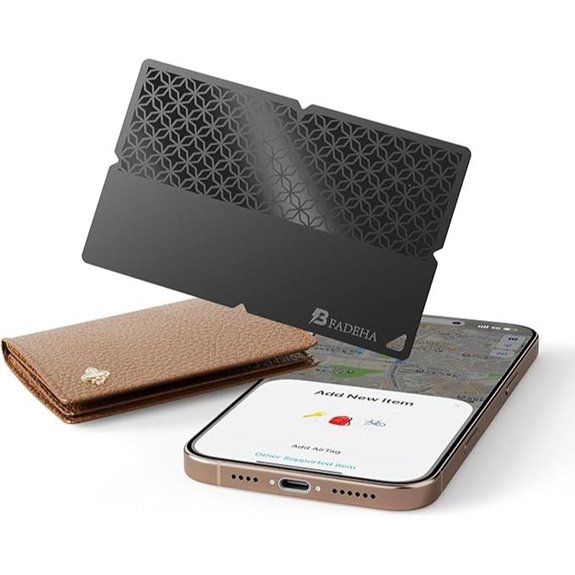 | Best iOS Ecosystem | Connection Type: Bluetooth | Compatibility / Ecosystem: Apple Find My (iOS) | Battery / Power: Premium lithium battery; long life | VIEW LATEST PRICE | Read Our Analysis |
| Veise VK01 RFID Cards for Smart Lock (3-Pack) | 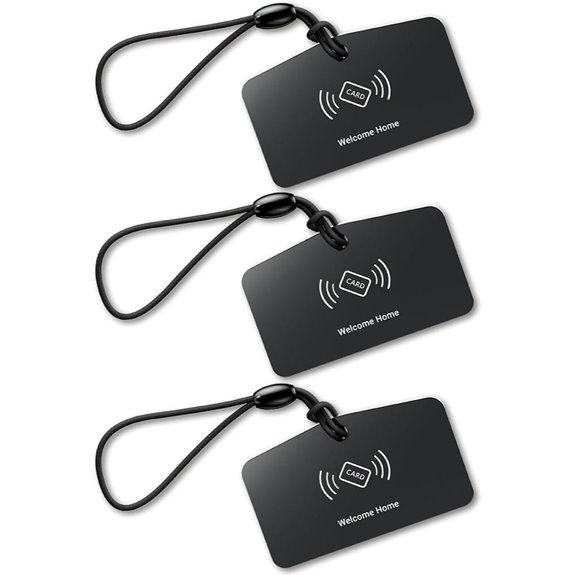 | Multi-Lock Utility | Connection Type: NFC/RFID (no Bluetooth) | Compatibility / Ecosystem: Works with multiple smart locks (RFID access) | Battery / Power: No batteries required | VIEW LATEST PRICE | Read Our Analysis |
| KeySmart SmartCard Lite Wallet Tracker Card (Black) | 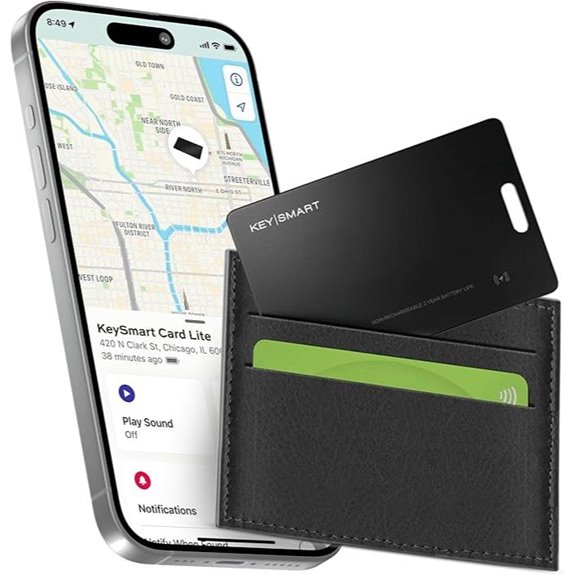 | Apple Find My Slim | Connection Type: Bluetooth | Compatibility / Ecosystem: Apple Find My App (iOS) | Battery / Power: Non-rechargeable 2-year battery | VIEW LATEST PRICE | Read Our Analysis |
| KeySmart MFI SmartCard Tracker Wallet (3 Pack) | 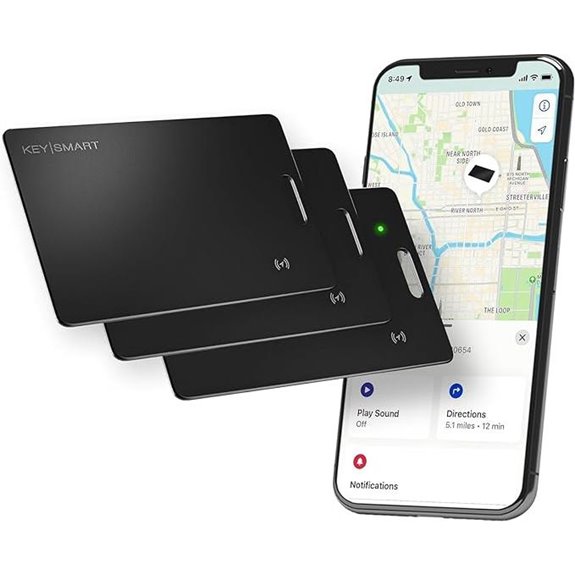 | Pro Find My Wallet | Connection Type: Bluetooth | Compatibility / Ecosystem: Apple Find My app / Find My network | Battery / Power: Rechargeable with wireless charging; 8 months per charge | VIEW LATEST PRICE | Read Our Analysis |
| Surge Card by SRG+: NFC/QR Digital Business Card | 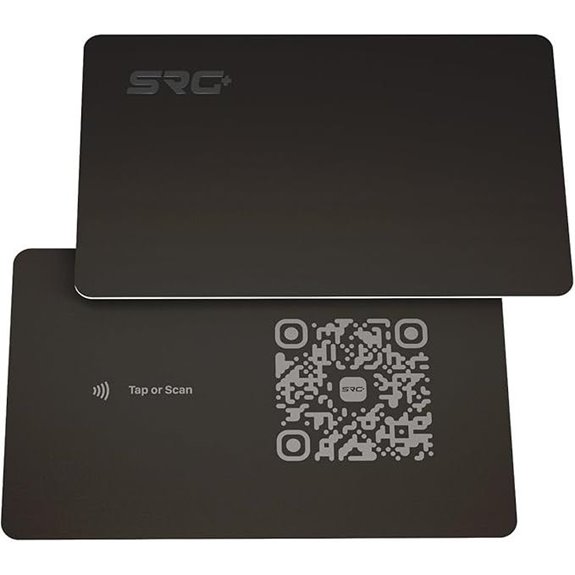 | Digital Networking Edge | Connection Type: NFC/QR (digital card) | Compatibility / Ecosystem: Apple Wallet integration (digital card) | Battery / Power: Digital card; no battery | VIEW LATEST PRICE | Read Our Analysis |
| Bluetooth Tracker Card for Keys Bags Passport (iOS) | 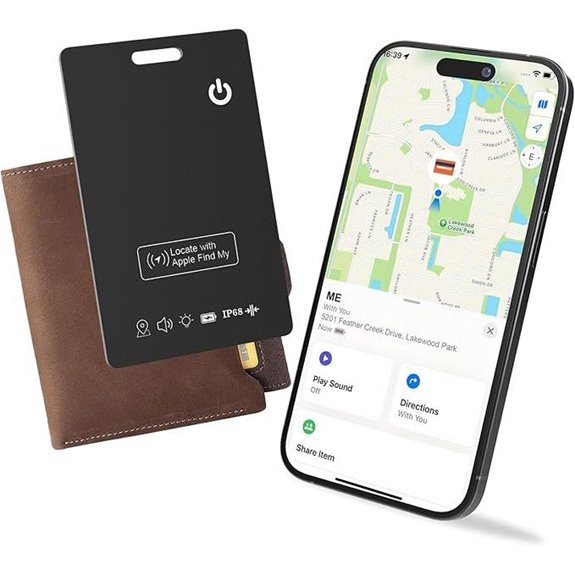 | iOS-Only Powerhouse | Connection Type: Bluetooth | Compatibility / Ecosystem: Apple Find My (iOS only) | Battery / Power: CR2032 battery included; rechargeable via Qi | VIEW LATEST PRICE | Read Our Analysis |
| SpeedTalk Smart Watch SIM Kit – 5G/4G Wearables Plan | 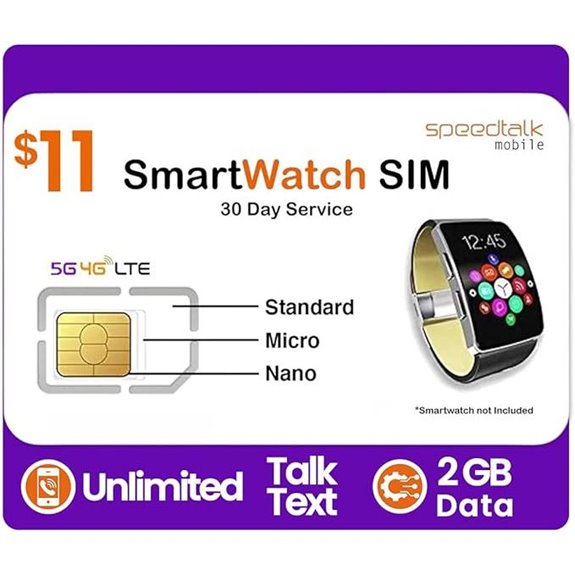 | Wearable-Ready Plan | Connection Type: Cellular/Wearable SIM (not directly a tracker; but listed as SIM kit) — Note: This product is not a tracking card; however, the feature is “Connectivity type” and varies. Value for Product 7: 5G/4G Wearables SIM (not a Bluetooth tracker) | Compatibility / Ecosystem: Wearables network (SIM plan; not a wallet/tracker ecosystem) | Battery / Power: Not applicable (SIM card) | VIEW LATEST PRICE | Read Our Analysis |
More Details on Our Top Picks
Apple MFi Bluetooth Tracker for Find My iPhone Wallet
If you’re entrenched in the Apple Find My ecosystem, the 2026 Apple MFi Certified Bluetooth Tracker stands out as the best choice for locating a wallet or keys with iPhone-native ease. You pair by long-pressing five seconds, open Find My, Add Item > Other Supported Item > Connect, and it’s ready. When nearby, play a loud alarm up to 100 dB; otherwise, use the map in Find My to guide you. It’s IP67 waterproof, lasts 5–10 years on standby, and uses encrypted data to protect your privacy. Dimensions are compact, weight light, and reviews strong.
- Connection Type:Bluetooth
- Compatibility / Ecosystem:Apple Find My (iOS)
- Battery / Power:Premium lithium battery; long life
- Water/Durability Rating:IP67 waterproof
- Primary Use Case:Wallet/keys/item locator
- Tracking/Notification Features:Find My locate, play sound, Lost Mode alerts
- Additional Feature:NFC contact sharing
- Additional Feature:IP67 durability
- Additional Feature:Find My instant alerts
Veise VK01 RFID Cards for Smart Lock (3-Pack)
For a seamless multi-lock setup, the Veise VK01 3-Pack stands out with its 13.56MHz RFID cards that work across several popular smart-lock ecosystems, including TTLock, DD Lock, KK Home, and Tuya Smart. You get three compact IC cards (1.02 x 1.65 inches) that fit wallets or cardholders, no batteries required. These cards support fast, under-0.5-second reads at short distances and encrypt RFID tech for privacy. They’re compatible with locks that feature swipe entry and can unlock multiple devices from a single card. Manage access via app or touch, delete lost cards, and rely on at least a year of warranty. Lifetime online support included.
- Connection Type:NFC/RFID (no Bluetooth)
- Compatibility / Ecosystem:Works with multiple smart locks (RFID access)
- Battery / Power:No batteries required
- Water/Durability Rating:Not specified
- Primary Use Case:Access control via smart locks
- Tracking/Notification Features:Access control; no tracking feature
- Additional Feature:13.56MHz fast read
- Additional Feature:No batteries required
- Additional Feature:Wallet/cardholder compatible
KeySmart SmartCard Lite Wallet Tracker Card (Black)
The KeySmart SmartCard Lite Wallet Tracker Card is ideal for Apple device users who want seamless Find My integration without adding bulk to their pockets. You’ll add it to Find My on iOS and locate items via the Apple network, with a nearby Bluetooth sound option if needed. This thin, black card uses a non-rechargeable 2-year battery (1 C included) and fits under 2 mm thick, about the size of two credit cards. It’s IPX8 waterproof, wallet-friendly, and works in luggage or other items, though Android isn’t supported. Packaged as a 1-pack by Curv Group LLC.
- Connection Type:Bluetooth
- Compatibility / Ecosystem:Apple Find My App (iOS)
- Battery / Power:Non-rechargeable 2-year battery
- Water/Durability Rating:IPX8 waterproof
- Primary Use Case:Wallet/card tracking for Find My
- Tracking/Notification Features:Locate via Find My, Lost Mode
- Additional Feature:Apple Find My integration
- Additional Feature:Ultra-slim wallet size
- Additional Feature:2-year non-rechargeable battery
KeySmart MFI SmartCard Tracker Wallet (3 Pack)
Crafted for Apple ecosystem users who value seamless tracking, the KeySmart MFI SmartCard Tracker Wallet (3 Pack) stands out with its Apple Find My integration and proactive Lost Mode alerts. You’ll track cards, luggage tags, and more via Find My, using the built-in encryption for privacy. The ultra-slim, IPX8 waterproof wallet weighs 4.6 ounces and fits 2 credit-card-sized items per slot. It’s rechargeable wirelessly, with long-lasting battery life up to eight months, and three included batteries keep you going. The 3-pack includes black Key Chain holes and supports proactive notifications, sound playback, and network-based locating. Curv Group backs it with a warranty.
- Connection Type:Bluetooth
- Compatibility / Ecosystem:Apple Find My app / Find My network
- Battery / Power:Rechargeable with wireless charging; 8 months per charge
- Water/Durability Rating:IPX8 waterproof
- Primary Use Case:Wallet/ID card tracking via Find My
- Tracking/Notification Features:Locate via Find My, Lost Mode
- Additional Feature:IPX8 waterproof
- Additional Feature:Wireless charging capable
- Additional Feature:Rechargeable with 3 C batteries
Surge Card by SRG+: NFC/QR Digital Business Card
Surge Card by SRG+ stands out if you want a premium, Apple-first digital business card that’s instantly shareable via NFC or QR. You get an ultra-clean black, premium design with durable materials and a minimalist aesthetic. The card supports NFC and QR sharing, plus a smart reusable contact approach for Apple Wallet. Admin and profile management lean into Apple devices, with cross-platform access for Android and web coming soon. Enjoy instant experiences via App Clips on iPhone or a browser on Android—no app install required. It aggregates social links, videos, and branding for quick, professional networking.
- Connection Type:NFC/QR (digital card)
- Compatibility / Ecosystem:Apple Wallet integration (digital card)
- Battery / Power:Digital card; no battery
- Water/Durability Rating:Not specified
- Primary Use Case:Digital business card sharing
- Tracking/Notification Features:Digital sharing (not location tracking)
- Additional Feature:Cross-platform admin
- Additional Feature:App Clips instant access
- Additional Feature:QR & NFC sharing
Bluetooth Tracker Card for Keys Bags Passport (iOS)
Looking for a wallet-friendly tracker that plays well with your iPhone? This Bluetooth Tracker Card fits Find My (MFi certified) and slips into your pocket with a 1.8 mm profile. You can locate items via Find My, see last known location on a map, and trigger a 120dB sound to reveal it under cushions. It pairs by long-pressing 5 seconds, then Add Item > Other Supported Item > Connect. Ultra-slim at 3.4 x 0.06 x 2 inches, 0.8 ounces, IP68 waterproof, and uses a CR2032 battery (Qi wireless charging supported). Lost mode shares your contact via Find My.
- Connection Type:Bluetooth
- Compatibility / Ecosystem:Apple Find My (iOS only)
- Battery / Power:CR2032 battery included; rechargeable via Qi
- Water/Durability Rating:IP68 waterproof
- Primary Use Case:Item locator for wallet/keys
- Tracking/Notification Features:Locate via Find My, Lost Mode
- Additional Feature:120dB loud ring
- Additional Feature:Qi wireless charging
- Additional Feature:5-month standby
SpeedTalk Smart Watch SIM Kit – 5G/4G Wearables Plan
If you need a hassle-free, prepaid plan for a 5G/4G wearable, the SpeedTalk Smart Watch SIM Kit stands out with its 2GB data plus unlimited talk/text every 30 days and instant U.S. number activation in your ZIP code. This 3-in-1 SIM fits Standard, Micro, and Nano slots, designed for wearables and optimized for 4G LTE GSM devices. No contracts or credit checks—prepaid and cancellable anytime. You get an instant U.S. number, 2GB data, and unlimited talk/text per 30 days, compatible with any 5G/4G LTE wearable. Compact, lightweight, and wearable-ready, with manufacturer warranty and a user-friendly fit.
- Connection Type:Cellular/Wearable SIM (not directly a tracker; but listed as SIM kit) — Note: This product is not a tracking card; however, the feature is “Connectivity type” and varies. Value for Product 7: 5G/4G Wearables SIM (not a Bluetooth tracker)
- Compatibility / Ecosystem:Wearables network (SIM plan; not a wallet/tracker ecosystem)
- Battery / Power:Not applicable (SIM card)
- Water/Durability Rating:Not specified
- Primary Use Case:Wearable SIM data plan
- Tracking/Notification Features:Not tracking-related
- Additional Feature:3-in-1 SIM sizes
- Additional Feature:30-day prepaid plan
- Additional Feature:Unlimited talk/text data
Factors to Consider When Choosing Smart Card Technology
When choosing smart card technology, you’ll weigh battery life, privacy and security, and how broad the compatibility is for your devices. You’ll also consider power and durability to handle everyday use, plus how usable and quick the setup feels. Keep your focus on balancing performance with safety and ease of integration to fit your specific needs.
Battery Life Considerations
Battery life is a key trade-off in smart card tech, and choosing between non-rechargeable versus rechargeable designs can shape maintenance, cost, and reliability.
You’ll see varied lifespans: some cards offer months between charges with wireless charging, while others claim up to two years on a non-rechargeable battery. Rechargeable models can use USB or wireless charging, cutting waste but requiring regular recharges to stay functional. Power efficiency isn’t just about the cell; IP rating and waterproofing protect components, reducing failure risk in harsh environments. Standby time matters too—non-rechargeables can advertise years of standby, whereas active use often lasts months between recharges. Battery type (CR2032, C cell, or built-in cells) drives replacement frequency, maintenance needs, and total ownership cost.
Privacy And Security
Privacy and security should be at the forefront when choosing smart card technology. You’ll want encryption that protects location and usage data across tracking ecosystems, helping prevent unauthorized access to your movements. Privacy designs matter too, ensuring location data isn’t stored publicly or on shared servers, reducing exposure to third parties. If your device is lost or stolen, features like Lost Mode or contact sharing can minimize risk while still enabling recovery. Access control should rely on device-specific ecosystems (for example, Apple Find My) to restrict cross‑platform tracking and limit data exposure to compatible apps. Regular software updates and secure pairing processes, such as long-press to initiate pairing, help mitigate potential security vulnerabilities in smart card trackers.
Compatibility Scope
Compatibility scope determines which ecosystems your smart card will work with and which devices or apps can use it. You’ll want to weigh cross-ecosystem support, since it boosts versatility but may require NFC, RFID, or Bluetooth and different host-app integrations. Universal compatibility claims suggest broad brand support, but they rely on standardized protocols and permissions. An iOS-only approach aligns with Apple’s Find My network, yet limits use to Apple devices and may exclude Android users. If you need multi-function cards—like access control plus location tracking—check the precise platform and app support to understand the interoperability you’re getting. In short, confirm which ecosystems, devices, and apps are officially supported, and review any required permissions or integrations before you commit.
Power And Durability
Power and durability go hand in hand when choosing smart card tech. You’ll weigh IP ratings like IP67 or IP68 for dust and water resistance, including brief submersion times, to shield internal electronics. Battery longevity varies by design: non-rechargeable modules last about two years, while rechargeable options promise months to up to a year per charge. Wireless charging can reduce wear and extend life, but you’ll need compatible chargers and consider effects on cycle life. Ruggedness matters as water immersion up to 1 meter for 30–60 minutes and dust resistance protect circuitry. Ultra-thin form factors—under 2 mm to a few millimeters—trade battery capacity for durability, influencing overall power resilience. Balance protection with practical energy needs for your deployment.
Usability And Setup
Usability and setup shape how smoothly you adopt smart card tech after weighing power and durability. You’ll want straightforward pairing steps, like a simple long-press to initiate setup and a guided flow in the companion app or Find My interface. Favor solutions with clear in-app notifications (for Lost Mode or alerts) that immediately tell you when items are left behind or found. Prefer systems that show precise location on a map and offer audible cues (sound alerts up to high dB) within Bluetooth range for quick nearby recalls. Check compatibility notes to ensure the setup supports your ecosystem and whether cross-platform access is available. Verify battery and power needs during setup to avoid interruptions after initial pairing.
Common Questions
How Secure Is Contactless Smart Card Authentication?
Contactless smart card authentication is quite secure, but not foolproof. You rely on strong cryptography, mutual authentication, and dynamic data to prevent replay attacks. You’ll face risks like relay attacks and card skimming if protections aren’t layered. Use short-range readers, secure element cards, and robust SIM or HSM-backed keys. Regular updates, tamper resistance, and certified standards help. Stay cautious: combine card tech with user-friendly protections and monitoring for best safety.
Do Batteries Affect Card Lifespan and Reliability?
Batteries don’t power typical smart cards, so they don’t directly affect lifespan; most cards are passive and rely on nearby readers for energy. However, if a battery-backed or embedded power source is involved, aging batteries can reduce reliability and cause failures. Choose high‑quality components, avoid extreme temperatures, and ensure proper handling. You’re like a compass: neglecting energy health tilts accuracy. Maintain your card’s integrity with regular checks, and reliability stays steady under everyday use.
Can Multiple Cards Be Used in One Wallet?
Yes, you can store and use multiple cards in one wallet, but you’ll want to organize them for quick access. Keep your most-used cards separate from less-frequent ones, and consider RFID-blocking sleeves or a dedicated cardholder to prevent interference. If you use contactless cards, stagger their taps to avoid simultaneous reads. Regularly test each card’s functionality, and update your wallet setup whenever you add or remove cards.
Are There Compatibility Issues With Older Devices?
Sure—yes, there can be compatibility issues with older devices. You might find older readers or phones lacking updated firmware or NFC capabilities, which can block newer cards or constants. You’ll want to check device specs and app requirements, update firmware, and test a sample card first. Like a familiar heirloom meeting modern tech, updates bridge the gap, but some ancient hardware still won’t play along. Consider adapters or dedicated readers for smoother access.
What Are Best Practices for Data Privacy With Smart Cards?
You should implement data minimization, strong authentication, and end-to-end encryption to protect smart card data. Use layered access controls, separate keys per application, and regular key rotation. Maintain audit logs, monitor for anomalies, and enforce device- and user-verified actions. Encrypt backups, disable unnecessary features, and apply prompt revocation for lost cards. Educate users on phishing risks, enforce passcodes, and require multi-factor authentication for sensitive operations. Regularly test for vulnerabilities and update firmware.